the banff notebook :
, eleven days in may (part two,

Christine is home in Ottawa with our young ladies. I am up in the mountains, roughly 1,476 metres above sea level, seeking the cold from my bones.
How easily lost
I could get
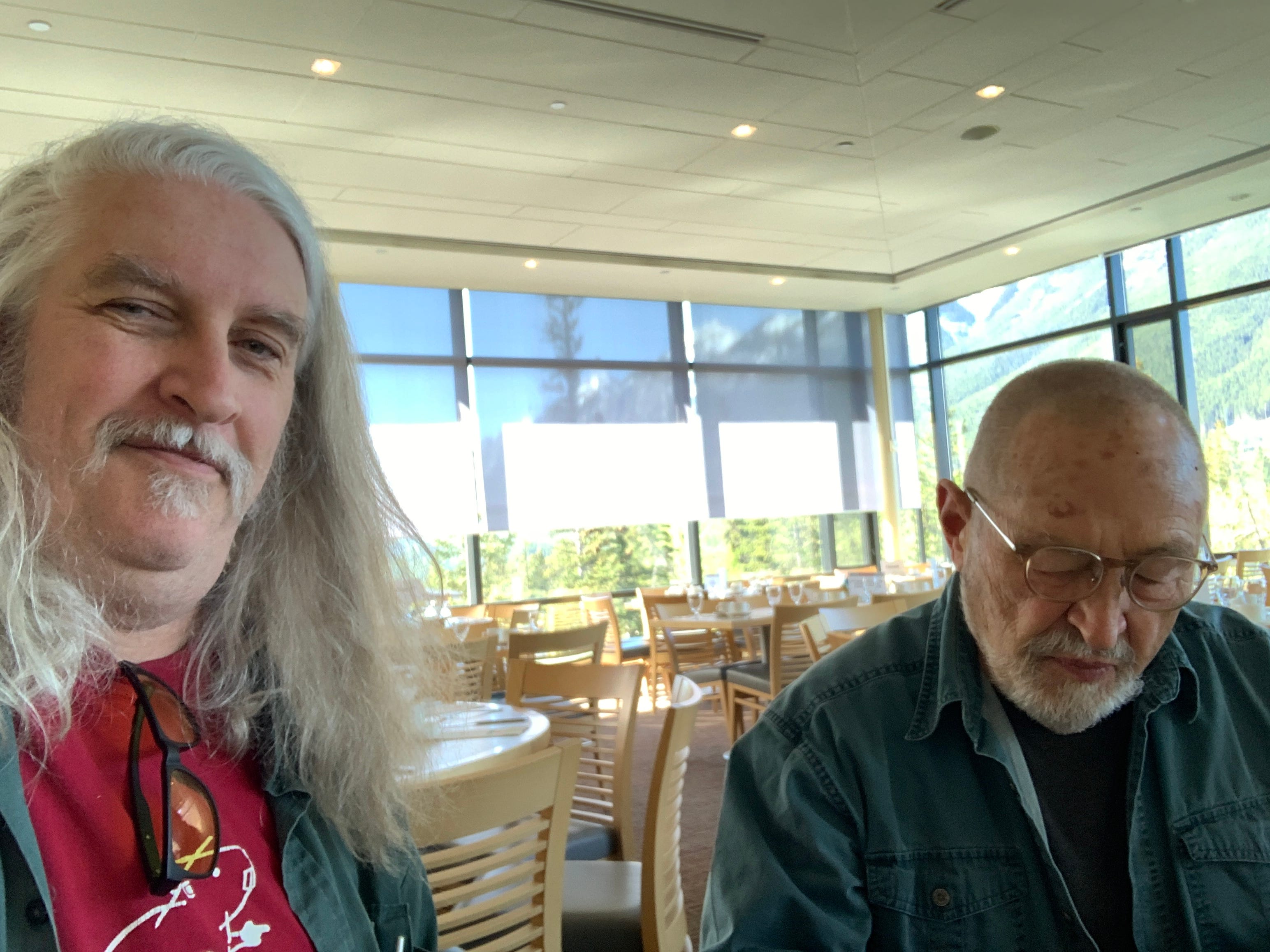
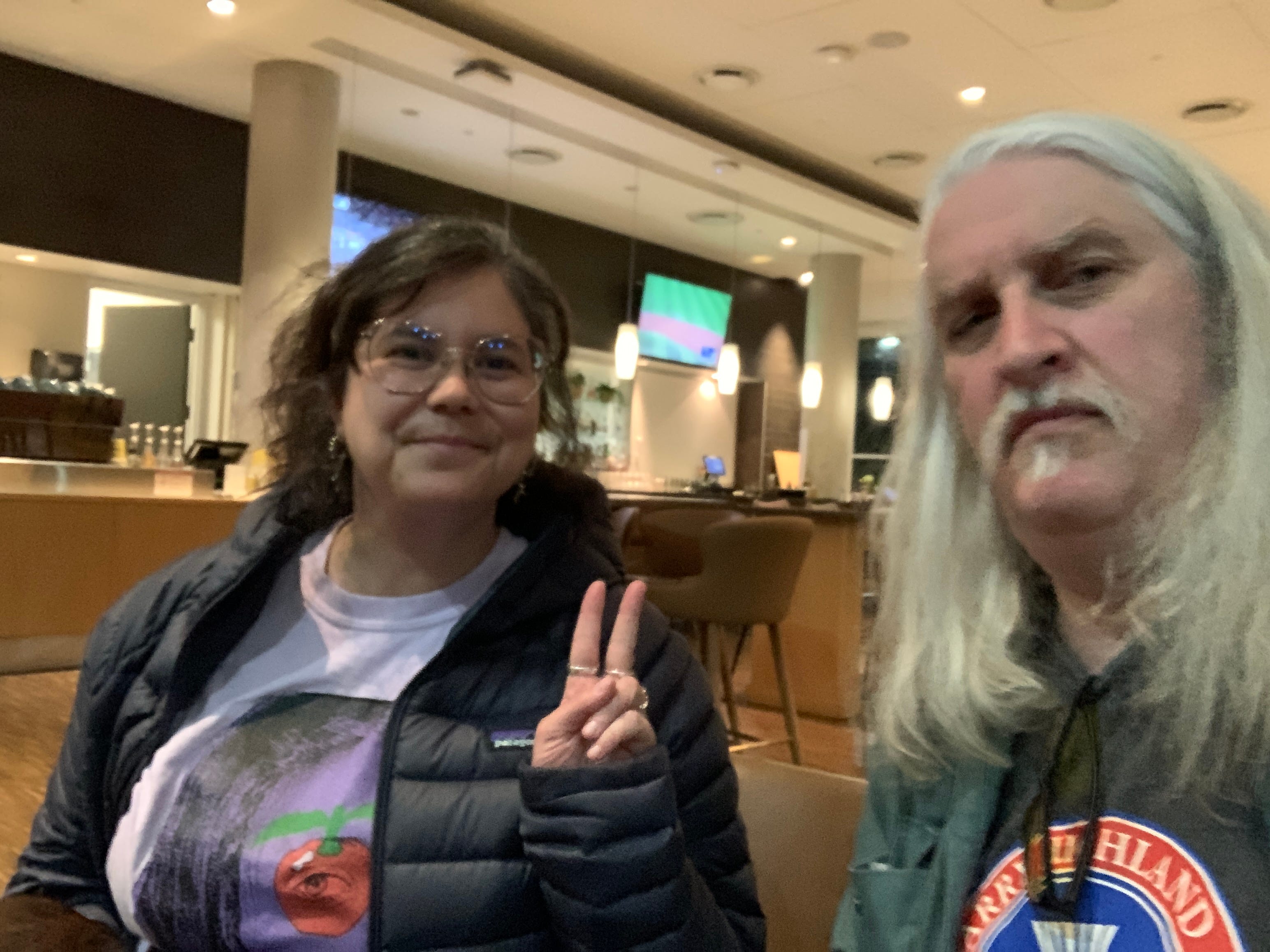
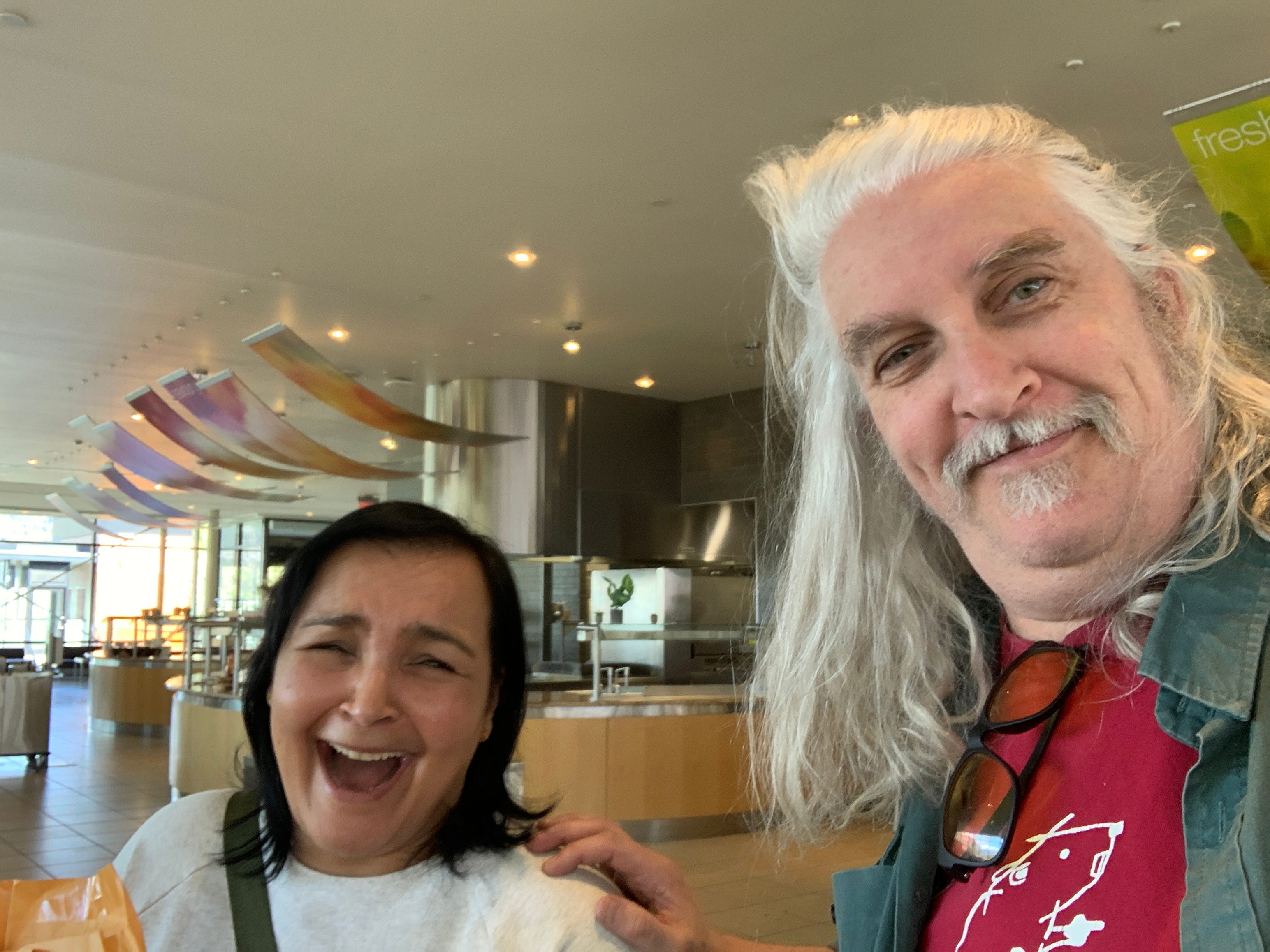
writes Vancouver Fred Wah as part of “Limestone Lakes Utaniki,” from So Far (1991). An essay I composed on this particular title, frustratingly, seems to have disappeared from the Brick Books website. So Far is the collection of his I return to more than any other, having brought my copy along for a couple of reasons, including the hopes he might sign it. At breakfast, he does. At breakfast, also, as the gathering officially begins, a grouping of most of us gathering at our reserved tables, with outliers we know attending different symposium. Calgary writer and academic Kit Dobson, here as part of a publishing symposium. Winnipeg poet Sharanpal Ruprai, here on a playwriting retreat with a dozen or so others. I hadn’t met her in person prior to this, so the opportunity delights. Vancouver poet Adèle Barclay, at the Banff Centre for two weeks, sequestered in a writing cabin. Suddenly, there she was, wondering what we were all doing here.
There is something about the way Wah works through his “Utaniki” in this particular collection that has always intrigued. The “Utaniki,” a Japanese poetic diary form that he was originally prompted to write via bpNichol. A prompt between friends.
My own push through the form of the reading diary, this writing diary. There was the full calendar year I composed “a green notebook,” prompted through reading and rereading the late Robert Kroetsch (1927-2011) and The Crow Journals (1980): his own diary composed, supposedly, across the time he was writing his novel What the Crow Said (1978). I wrote this book about writing that book, so to speak. Any creative process has such elements of the secretive, the mysterious, even the mystical, that to spell parts of it out, however inarticulate or unexplainable, allows a bit of a peek behind that curtain. It allows a new way of reading it all. Or perhaps it is all extraneous, irrelevant and beyond the actual point and purpose. Perhaps all of the above. So I say to you, reader: read as you will, as you must. Will this text have anything to do with me attempting to complete this small novel? Have you read any of my fiction around the character Alberta? Might you, now? Does one story prompt another? Or perhaps I should be working on this not at all. Perhaps only the novel.
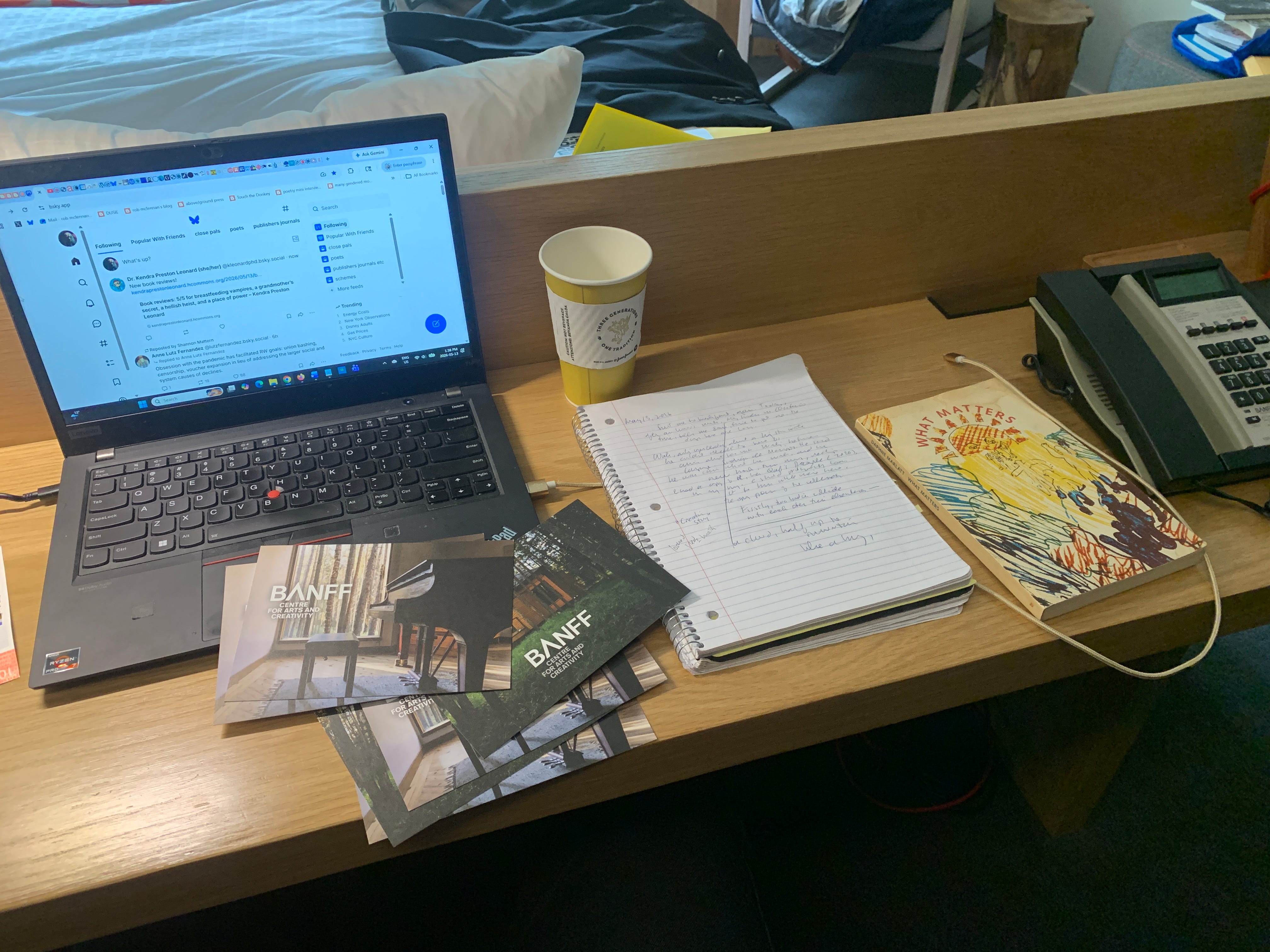
This small room above the town of Banff, where I will occasionally sleep and occasionally write (and check emails, social media), my lone outside view up a small incline, to the side of another building. I don’t know which one.
*
I’ll admit, I’m not fully comfortable with that idea of retreat. Of hiding out. As though a sense of escape, akin to military terminology. Immersion, instead. I do not step away from but instead attempt to enter into.
A writing immersion. An attempt to further, if not finally complete, this wayward novel, the title of which I keep shifting, changing, uncertain. A loose swirl of characters that swirl and overlay, not directly interacting, but threading, across that same stretch of an only lightly-backgrounded Covid-19 pandemic, the period through which the sparks of the story first struck. Begun on the deck of my mother-in-law’s cottage in Sainte-Adèle, Québec, on July 3, 2020. We were right in the thick of it. We were attempting to get away, catch our breath. We were attempting to provide our young ladies an alternate vista, beyond the same walls of our house on Alta Vista. A household shelter that would extend two further years.
I’ve been thinking lately about artistic responsibility. What’s the most important thing we can do as a writer, an artist? Allow others their space, perhaps. Although that might fall under the general banner of simply ‘paying attention,’ which does cover quite a lot, although specifics can be important. Pay attention. Are you paying attention?
A novel, begun in the eddies of On Beauty, downstream from Missing Persons. The eddies of On Beauty and into “Very suddenly all at once,” the short story follow-up I’ve yet to land publication of. Stories that thread through those collections that are furthered, across the character of Alberta, a bit down the line each time. I’ve some other repeated characters as well, and some stories that thread into each other, a sly purpose of working multiple perspectives, even contradictory ones. Now Alberta lives on her own; now she’s a grandmother, held to her pandemic bubble.
When I began writing her in 2003, the character was somewhere in her early twenties.
This current novella begun during pandemic lockdown, “Wrong Answers Only”: the title set as a place-holder, one I was never quite happy with. After a few other options across months of pondering, finally landing upon “In all their wounded particulars,” a title set closer to where the book feels, maybe. If only. If only, then.
*
When I first wrote the character Alberta, she was part of an assemblage of characters, attempting a novel across twenty short chapters, lifting the loose scaffolding of the movie Magnolia (1999), as unrelated characters overlay and overlap, with the only shared experience near the end, with a rainfall of frogs. In my attempt, a later chapter, each of my own array of unrelated characters noting the same rainfall; less fantastical than the film, but a shared moment. It was the summer of the fires, one might recall, across Eastern Ontario: abandoned barns deliberately set aflame by person or persons unknown. It would take some time before the discovery that the culprit was a volunteer fireman, seeking attention. My short novel manuscript, “Signal Fires,” across which (among other characters) a young Alberta was new to the city, having left home after some kind of trauma, something unnamed, but suggested. Alberta, loosely based on a goth girl who would daily walk by my writing window, that infamous (since shuttered) Dunkin’ Donuts at Bank and Gloucester. Alberta, named for the actress Alberta Watson, as it seemed a cool name. Within “Signal Fires,” Alberta was attempting to write a novel, akin to what Montreal writer Dany Laferrière spoke of composing his own debut: to write a book to save her life.
In the end, I needed to better understand her, and thus, the backstory, Missing Persons, not only began, but took over. She was fourteen years old. She held this trauma close to her skin, until it became time to leave. The past was too dark, and she needed to seek out the light.
After reading through Missing Persons, Ottawa poet Amanda Earl asked, off-handedly: I wonder what happened to that character? Suddenly I was also curious, and thus, an appearance in a short story, one of the first in what became On Beauty. Since then, a few further years down the line, as one of a swirl of different threads and storylines in this novel-in-progress that weave across those nameless, abstract pandemic days into weeks, weeks into months.
*
I am here, but have yet to fully land. Last week, as I took the young ladies to a doctor’s appointment, their second with this new doctor, now that they have one again. The eighteen months or so since Christine’s doctor, who had attended the children but would not take me, finally retired herself and her practice, leaving them to a medical silence. She would not take me, having to find my own, who was unable to take them, after.
Last week, my youngest now prescribed an emergency puffer, to help open that cough. Antibiotics, for an ongoing ear infection, one that pulled her a few afternoons from school.
Aoife’s file, noticing how in parenthesis after her name the doctor’s office had attempted the phonetic, “Ifa,” which I was charmed by, although I did correct them. Wouldn’t that be “eye-fah,” instead, as I offered, “eee-fah”? The receptionist updated the file. Later, as Christine offered, if the receptionist French, they might have pronounced that “I” differently, correctly. I had not considered that.
*
Sitting in a room in Banff, writing. Listening to Irish band Clannad, a music I associated with home across my later teens and across my twenties. Fronted by Moya Brennan, born as “Máire Philomena Ní Bhraonáin,” and known as the First Lady of Celtic Music, who died but a month ago.
Driving the Glengarry backroads in my mother’s car, Clannad’s Pastpresent (1989), their greatest hits compilation, in constant loop. This was my soundtrack for finding my baseline, returning to ground. After all that adventuring away.
A deer scrambles by. Should I find postcards? Should I find nourishment? Should I sit here and work until dinner? Might I nap? Do I dare to eat a peach? I shall stand at this window and pine. I shall wear frayed black jeans, and walk grassy incline.
Attempting the difference between paragraphs and sentences. These borders of pine reed grass, mountain rough fescue.